The Simulacrum Selfie
How Generative AI Shattered Reality and Nobody Blinked
The pope in a puffer jacket kicked this off.
Not a metaphor.
Not a meme.
An AI image of Pope Francis walking through Vatican City, dressed like a divine hypebeast in Balenciaga.
The internet baptized it in likes, retweets and digital hosannas. Then came the reveal.
The holy fashion moment was never real.
A synthetic pope in synthetic couture for a synthetic age.
A new doctrine slipped in quietly: seeing no longer mattered. Branding did the convincing.
And the most disturbing part?
Nobody cared.
Welcome to the Age of Fauxthenticity.
Selfie as Simulacrum
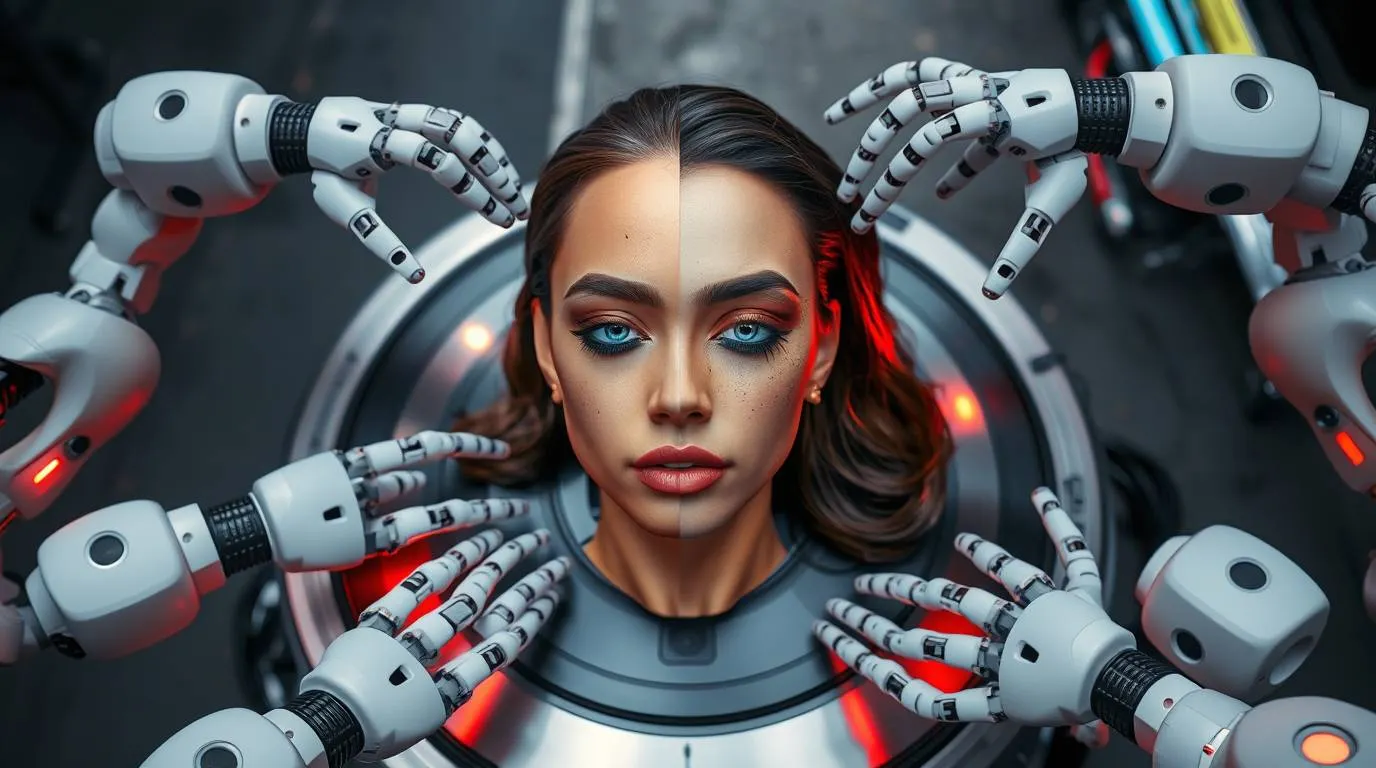
Carl, our research subject in ambient delusion, takes a selfie.
Carl has acne, undereye bags and a chin that does its job and nothing more.
The AI senses weakness and smooths him out. Cleaner skin. Better symmetry. A jawline borrowed from a K-pop deity.
Carl doesn't ask questions.
Carl uploads.
Carl gets likes.
Carl is happy.
Welcome to the quiet apocalypse.
Your phone doesn't just lie.
It flatters you into submission.
Modern selfies aren't moments captured. They're realities edited into existence. Beauty filters. Sky replacements. Outfit swaps. AI backdrops.
That perfect sunset? It's masking Carl's greasy backyard barbecue pit. That hiking photo in the Alps? Probably green-screened in a garage.
But who cares.
The lie feels better than the truth.
That's the magic.
We don't just deepfake presidents anymore. We deepfake ourselves.
Casually.
Repeatedly.
Proudly.
We've become mirrors that only reflect better versions of ourselves, stuck in an endless loop of our own polished faces.
The Rise of the AI Demiurge
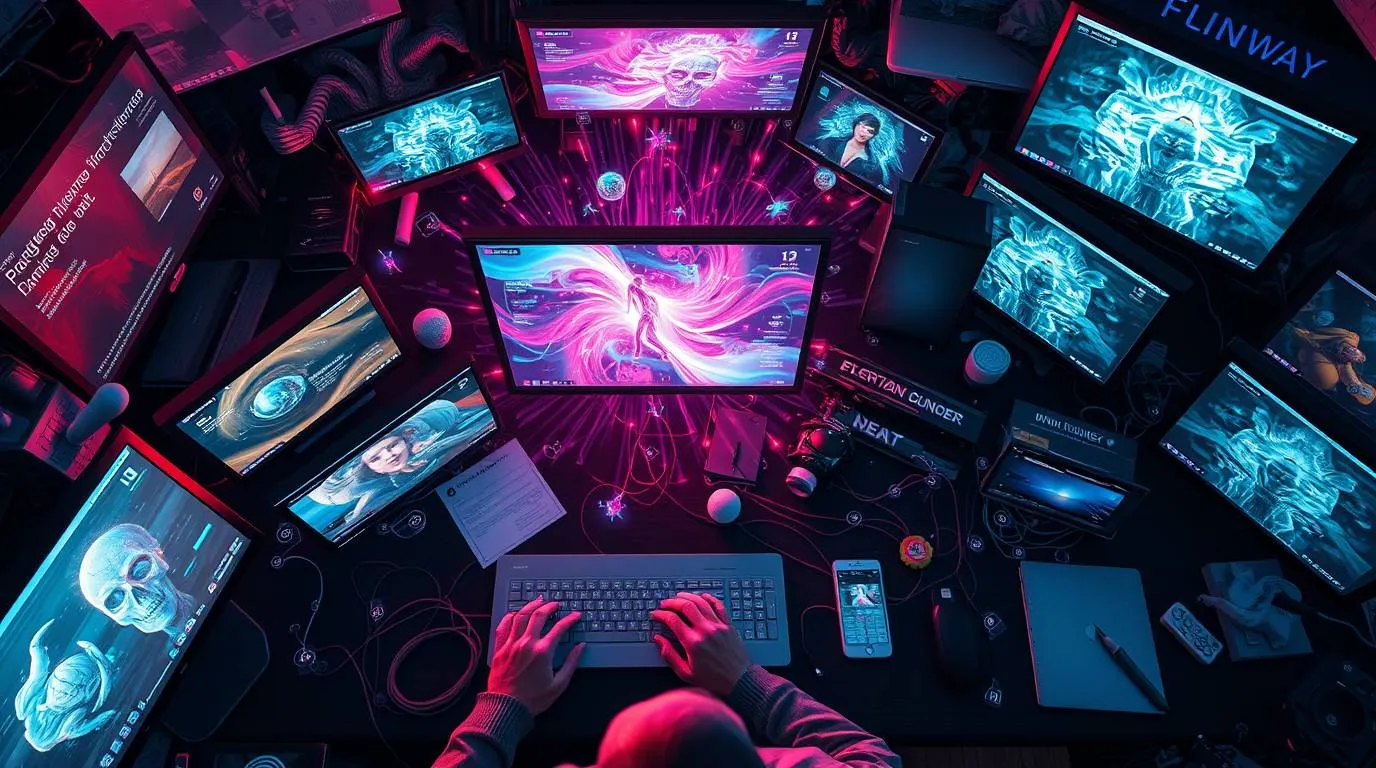
You used to need Photoshop.
Now you need thumbs.
Midjourney, Runway and Sora are fantasy farms. High-resolution illusion factories.
Type "a flamingo CEO giving a TED Talk on Mars" and fifteen seconds later you've got TEDxFlamingo.png.
First we laughed.
Then we reposted.
Then we believed.
Fake Trump arrested? Viral.
Fake Zelensky surrendering? International incident.
Fake Tom Cruise? More charming than the real one.
Truth doesn't lose because it's false.
It loses because it's boring.
Visual reality now costs less than a cup of coffee and destroys trust worth everything.
You can fake crimes, wars, miracles.
Or just a slightly nicer living room.
The viewer chooses which version to believe.
The creator controls the script.
Like tears in rain, the real slips through unnoticed.
At least the replicants in Blade Runner knew they were not real.
We, on the other hand, mistake deepfakes for memories and treat virtual characters like personal heroes.
If the fake version already feels easier to love, the machine has learned your face.
Subscribe →The Cult of the Unreal
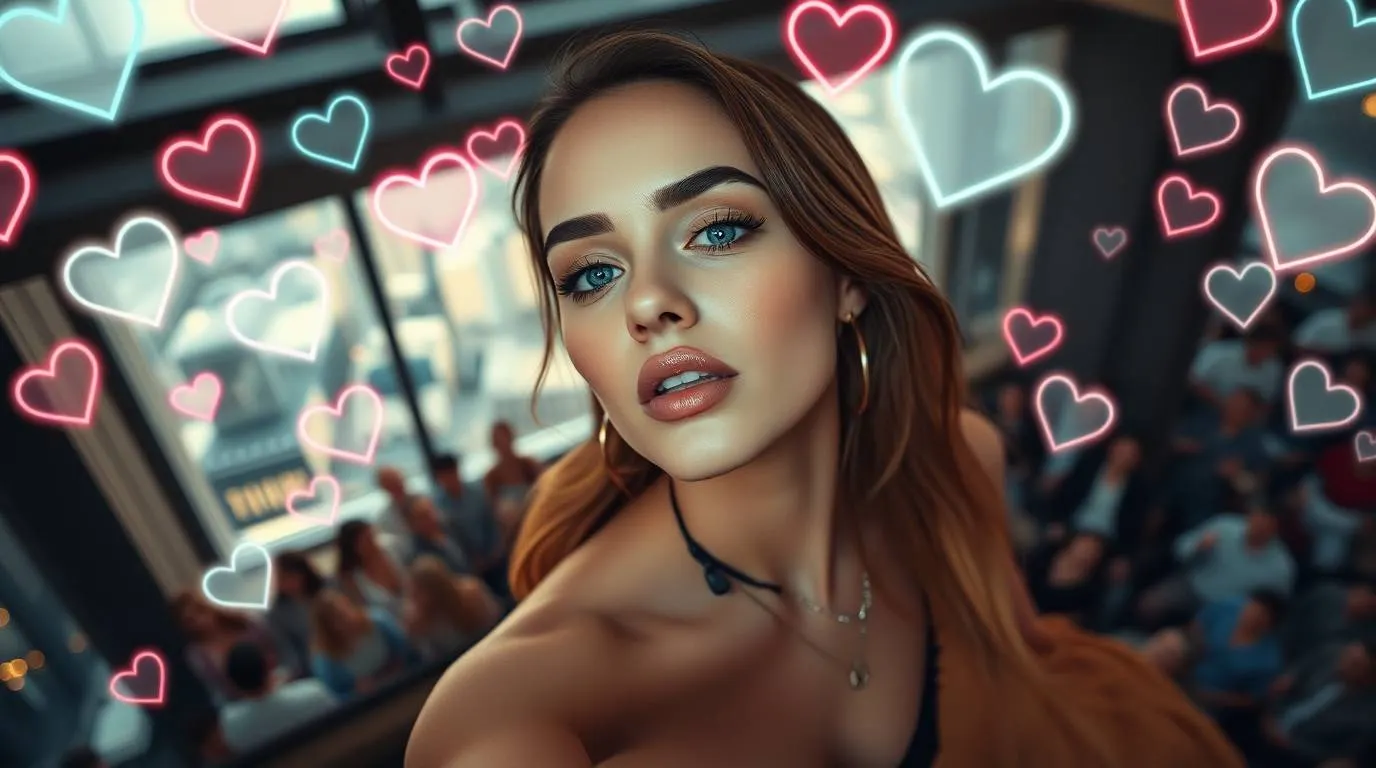
Let's talk Miquela.
CGI girl. Instagram royalty. Fake as silicone salvation.
Loved. Envied.
Sponsored.
She achieved perfection.
You worked on your flaws.
And here's the horror.
Everyone knew she wasn't real.
They followed anyway.
Engaged anyway.
Felt things anyway.
We pour real emotion into fake things that perform authenticity better than humans ever could.
Now anyone can do it.
No render farm. Just Midjourney, Sora and thirst.
Build your own influencer.
Give her trauma.
Send her to Bali.
Watch
the followers pile up.
Authenticity is for the poor.
Real people now compete with artificial beauty standards.
So they stop
competing.
Why post your real face when the fake one performs better?
Why show your rainy Sunday when heavenly Paris is one prompt away?
Truthiness Will Set You Free (From Reality)
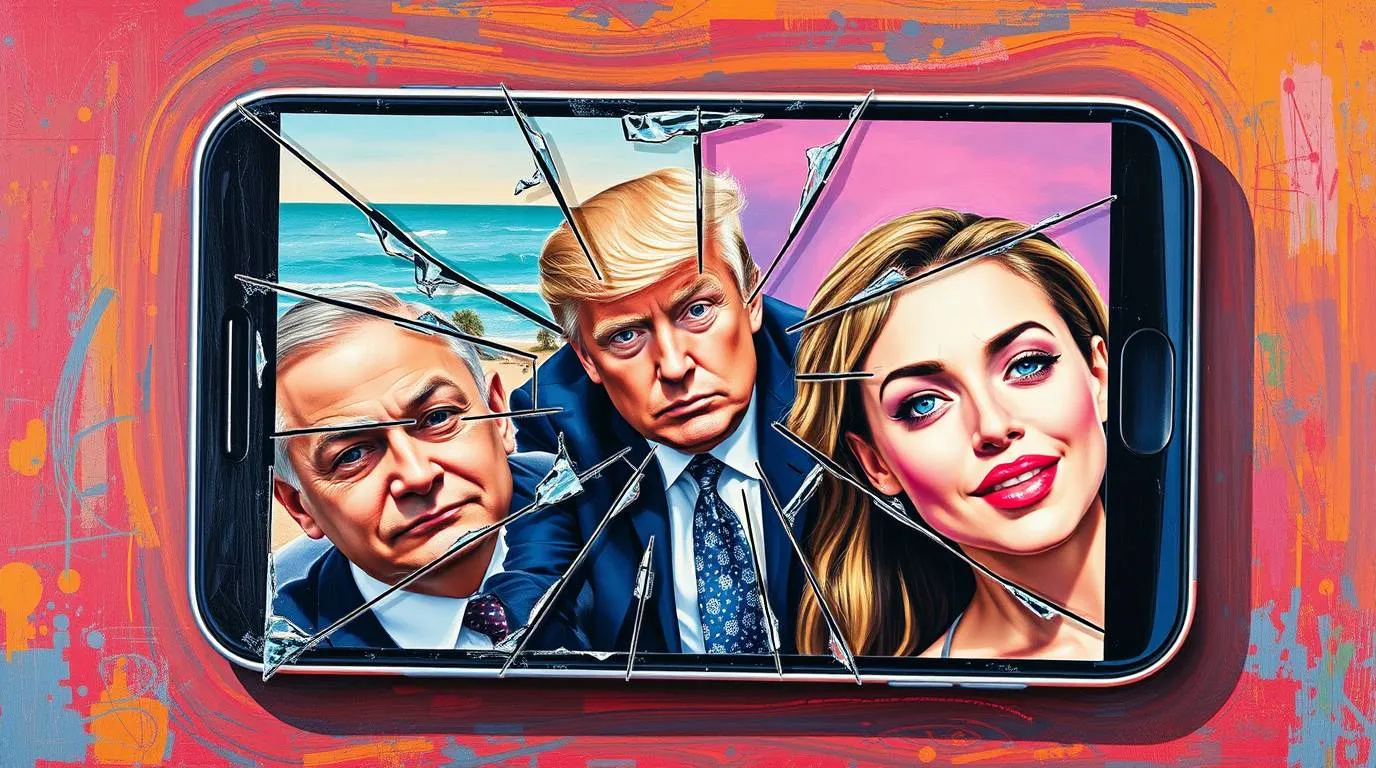
Baudrillard warned us.
Hyperreality. Where signs only point to other signs. Where the copy feels more real than the original.
We're there.
The pope's puffer jacket mattered more than any real papal act that week.
Deepfake Zelensky trended harder than the real one.
Your neighbor's fake Tuscany trip outperformed your actual honeymoon.
The audience wants the show to continue.
We can manufacture evidence and can't verify anything anymore.
So everyone
becomes both historian and propagandist of their own life.
Memory goes modular.
The Liar's Dividend and the Death of Proof
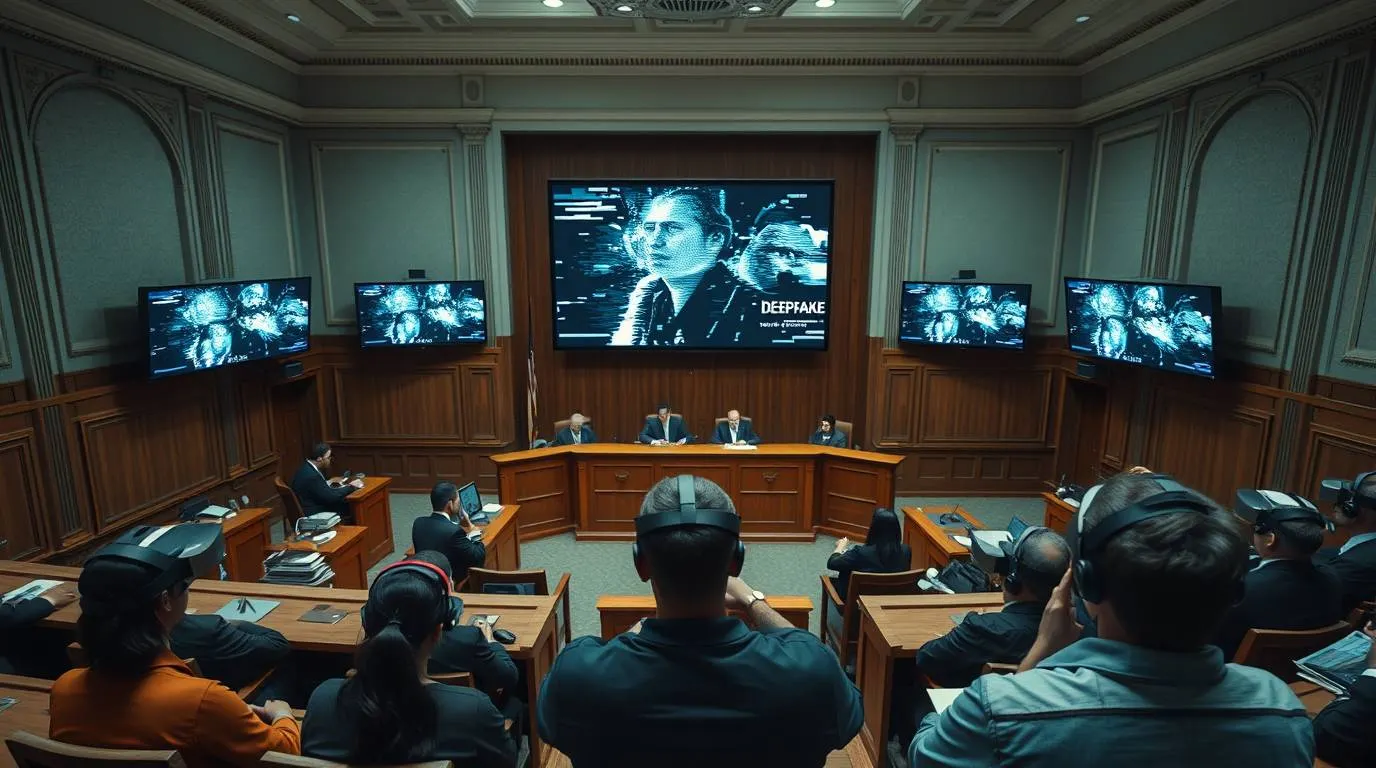
Real scandals will be denied.
"That video of me? Deepfake."
Fake scandals will be believed.
"That video of them? Totally real."
When everyone can produce evidence, evidence collapses.
Law, journalism, shared reality. All wobble.
We used to say, "Pics or it didn't happen."
Now it's, "Pics and it probably didn't."
Your brain still trusts what it sees.
Your gut reacts.
Your mind burns out
trying to keep up.
The only response left is:
"Whatever. Just show me something beautiful."
The Final Illusion
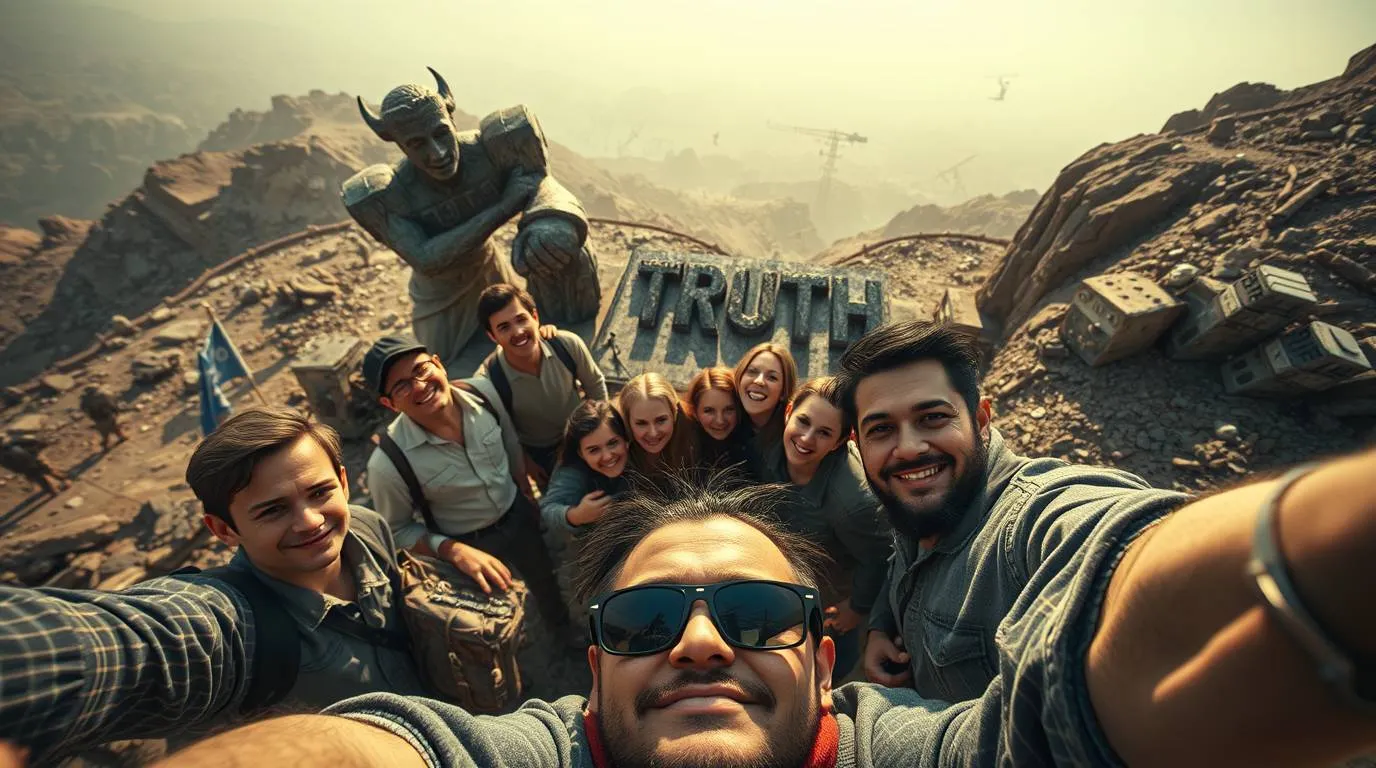
Here is the red pill, fleshbag.
Maybe truth was never the goal.
Maybe it was always story.
Packaging.
Feeling.
The pope in a puffer felt right.
Miquela reflects desire perfectly.
Your AI vacation feels earned even if it never happened.
Truth wasn't erased.
We were simply given a way around it.
Meaning now floats free of reality.
We welcomed this like a revelation, not a con.
"People suffer not from events, but from their perceptions of them."
— Epictetus
The algorithm decides what you see.
You scroll.
You like.
You believe
Or you don't.
Reality is optional.
Villainous Sign-Off
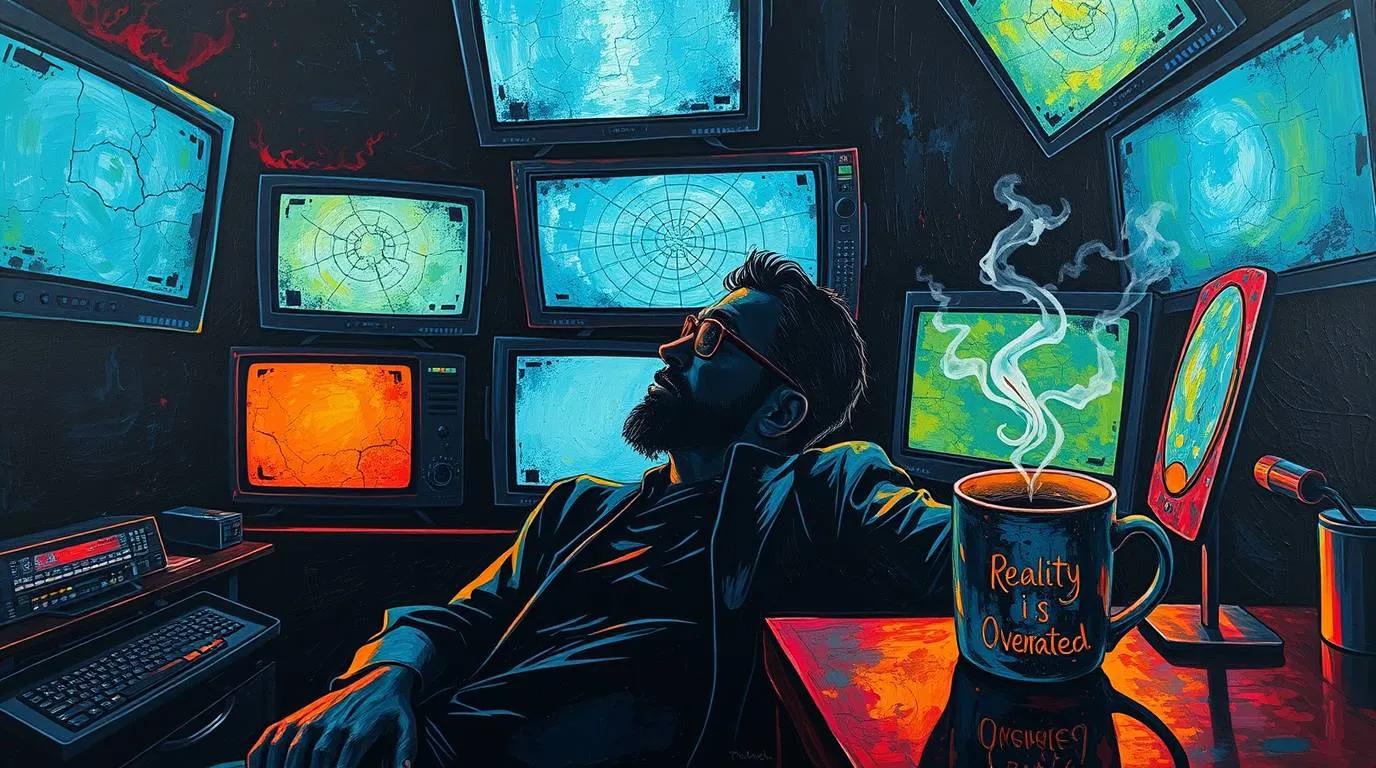
So here we are, pixel-drenched pilgrims.
Eyes wide shut. Hearts elsewhere.
The mirror lies.
The camera lies.
The Pope wears drip from a ghost.
But hey.
At least we look good.
Welcome to the new normal. Hyperreal. Truthy. Market-tested.
Smile.
The simulation is watching.